How to Eat to Support Your Hormone Health
7/16/20252 min read
How to Eat to Support Your Hormone Health
Balance Your Body, Boost Your Energy, and Feel Like Yourself Again
If your mood, energy, or weight feels like it’s all over the place — your hormones are likely calling for backup. The good news? You don’t need a restrictive diet or detox to fix it. You need to nourish your hormones so they can do their job.
Here’s how to eat in a way that supports hormone balance, energy, and long-term vitality.
1. Eat Enough (Yes, Really)
One of the biggest hormone disruptors in women is undereating. When you’re constantly dieting or skipping meals, your body produces more cortisol (stress hormone) and less progesterone — the hormone that helps you sleep, stay calm, and feel grounded.
Aim for:
Three balanced meals per day (and snacks if you need them)
Enough calories to fuel your activity level and recovery
Don’t fear carbs — they’re essential for thyroid and adrenal function
2. Prioritize Protein at Every Meal
Protein keeps your blood sugar steady and provides amino acids your body uses to make hormones. Without enough, your metabolism slows and cravings spike.
Aim for:
20–30g of protein per meal
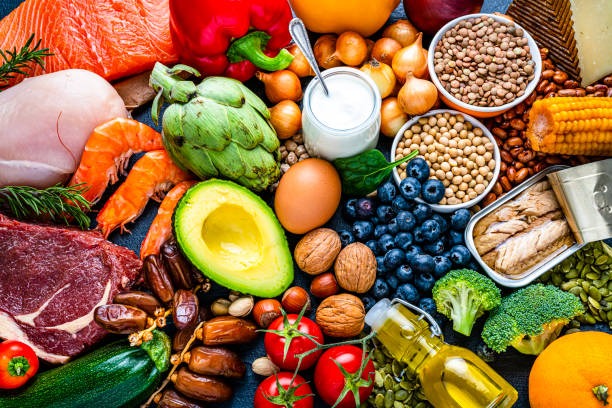
Include sources like eggs, poultry, fish, beef, tofu, lentils, or Greek yogurt
Add collagen or protein powder if you struggle to hit your target
3. Embrace Healthy Fats
Your hormones are literally made from fat — specifically cholesterol. Low-fat diets and processed oils can wreck hormone production over time.
Choose:
Avocado, olive oil, nuts, seeds, coconut, grass-fed butter, and fatty fish
Avoid refined vegetable oils (canola, soybean, corn), which increase inflammation
4. Balance Your Blood Sugar
When your blood sugar spikes and crashes all day, insulin and cortisol go wild — throwing off your sex hormones and energy levels.
Keep it stable by:
Pairing protein + fat + fiber at each meal
Avoiding sugary drinks and ultra-processed snacks
Eating within an hour or so of waking to set your rhythm
5. Support Gut Health
Your gut is where hormones are metabolized and excreted — if it’s sluggish or inflamed, excess estrogen can recirculate, causing symptoms like bloating, mood swings, or heavy cycles.
Support your gut by:
Eating fiber-rich foods (veggies, chia, flax, beans)
Including fermented foods (sauerkraut, kefir, yogurt)
Staying hydrated and managing stress
6. Sync Your Food with Your Cycle
If you’re cycling naturally, your body’s needs change throughout the month.
Simple cycle-syncing tips:
Follicular phase (after period): Fresh foods, lean proteins, and complex carbs for energy
Ovulation: Lighter meals with antioxidants and cruciferous veggies (broccoli, kale)
Luteal phase: More magnesium-rich foods (dark chocolate, spinach, pumpkin seeds) to ease PMS
Menstrual phase: Iron-rich foods and comfort meals to restore strength
7. Ditch the All-or-Nothing Diets
Hormone balance isn’t about perfection — it’s about consistency. Focus on whole, unprocessed foods most of the time and enjoy your favorites without guilt.
Your body runs best when it feels safe, fueled, and nourished — not deprived.
Bottom Line
Your hormones aren’t the enemy — they’re messengers trying to tell you what your body needs. When you feed them properly, everything feels easier: your mood lifts, your sleep deepens, and your energy returns.
Start with real food, balanced meals, and consistency — your hormones will thank you.